Lexi Was Smart and Ambitious, Which Made Her a Target for More Than Promotion
Every growing organization relies on high-performing, ambitious employees who are willing to go above and beyond. Because they are willing to “pay their dues,” organizations can easily exploit that ambition, whether intentionally or through management neglect. This creates operational friction that is fundamentally unsustainable.
As I discuss in Unsustainable: Why Our Workplaces Aren’t Working and What to Do About It, businesses are fracturing under the weight of outdated models that prioritize short-term control over long-term stability. When 83% of US employees report daily work-related stress and 52% are experiencing active burnout, the friction isn’t just a personnel issue. It’s a systemic failure.
That’s what “Lexi” began to realize. Her story illustrates how quickly managerial neglect and control-based habits spiral into legal liability.
The Burnout Trap
Lexi was hired as a receptionist in New York City at a $60,000.00 annual salary. Aspiring to advance her career, she enrolled in a Master’s degree program in her employer’s industry and focused her studies on expressed needs. Recognizing her talent and ambition, department heads quickly began “borrowing” Lexi for project work. Soon, she was covering the reception desk by day and working nights and weekends to complete project deliverables for her “volunteer” work in other departments.
Her workload exploded, yet her compensation remained fixed. When Lexi expressed frustration over the grueling hours, low pay, and lack of support, HR offered sympathy without resolution. Exasperated, Lexi occasionally used language she later regretted. Neither she nor her supervisor liked when that happened, but it was predictable. This is what commonly happens when employees are pushed past their skill levels without sufficient support.
Later, Lexi was officially promoted into one of the departments that had been borrowing her. Her title changed, but her compensation did not. She still received a $60,000.00 annual salary without overtime pay. When she asked her new manager, Frank, about a pay increase, he began to scrutinize her work more heavily. Frank’s leadership arose out of the traditional, control-based mindset his prior supervisors and mentors had:
I paid my dues working late and grinding, so you have to, too. Then, maybe you will earn a raise.
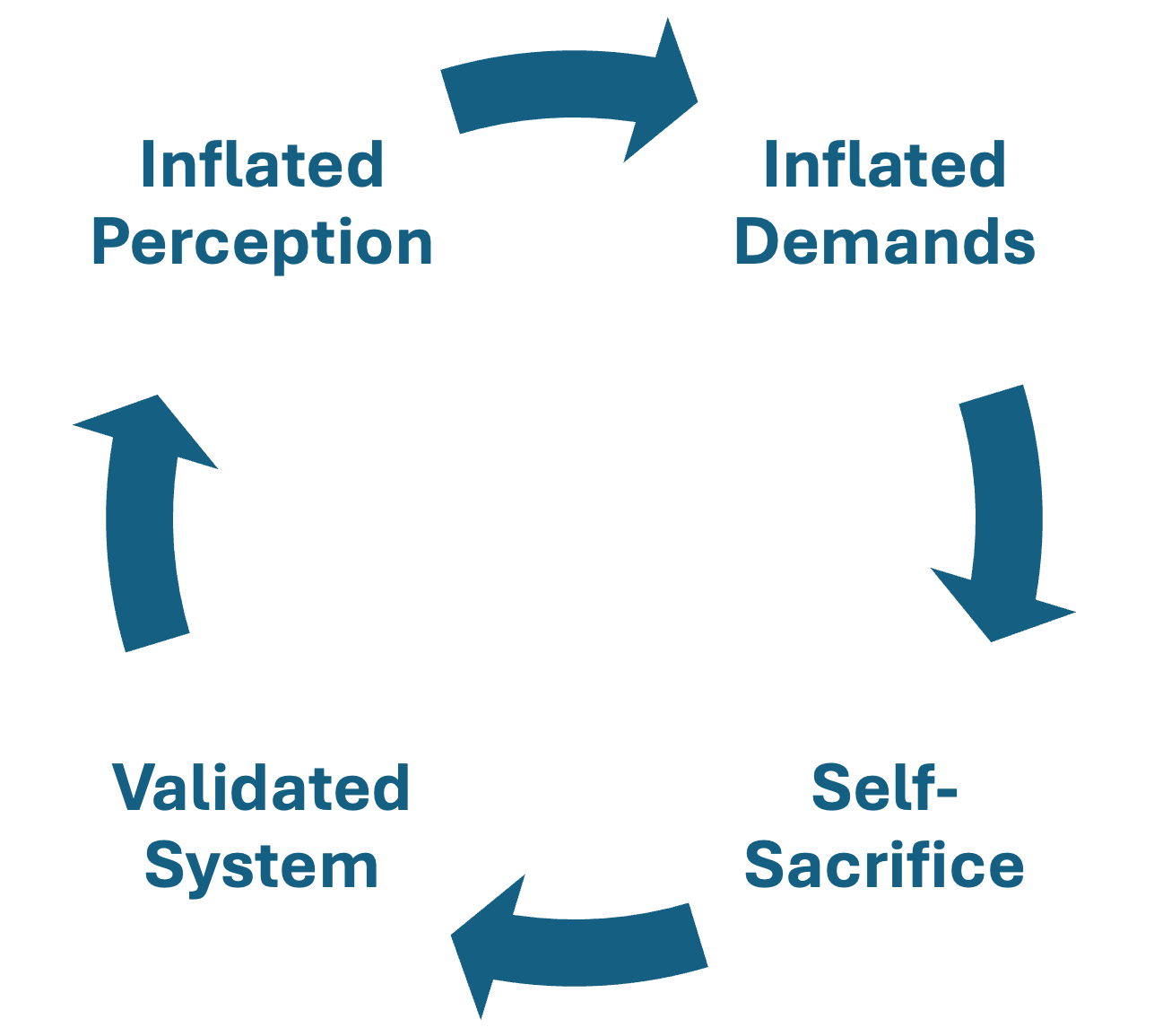
Lexi was disappointed and increasingly frustrated, but she accepted this as part of her journey. Then another manager, Louis, asked her to assist with additional projects. Inexperienced in corporate politics and boundary-setting, she assumed these projects were “approved by management,” so she agreed. Her hours spiked again. Rather than managing her workload, addressing cross-departmental scope creep, or coaching her, Frank responded by placing Lexi on a Performance Improvement Plan (PIP).
The Illusion of Risk Mitigation
To leadership, using a PIP often feels like a clean way to manage out a “difficult” employee. I frequently see managers who operate on the dangerous assumption that replacing Lexi will eliminate the friction and bury their exposure.
[They] treat employment as an agreement to be controlled and exploited, rather than a partnership built on mutual sustainability. When friction arises, control-based systems seek to eliminate the person rather than repair the process.
— Unsustainable: Why Our Workplaces Aren’t Working and What to Do About It
In Lexi’s case, this approach creates a severe miscalculation on two fronts:
- Misclassification & Overtime Risk: Under the Fair Labor Standards Act (FLSA) and New York State Labor Law, it takes more than paying employees a salary to exempt them from overtime (OT) pay. Exemption is governed by job duties and salary thresholds. A receptionist earning $60K in NYC routinely working nights and weekends on project tasks creates immediate wage-and-hour liability for her employer. Assuming a 40-hour work week over 50 weeks, her hourly rate is $30.00. If she was not exempt from OT pay and worked 52 hours for 10 weeks, she was underpaid by $15.00 for 120 hours, or $1,800.00.
- The Unemployment Trigger: Pushing Lexi out via a PIP escalates exposure rather than containing it. When Lexi files for Unemployment Insurance with the NYS Department of Labor, her worker classification, job duties, and compensation history will come under review. A single claim often acts as the catalyst for a full state audit of worker classifications across the entire firm. Imagine that her employer has 10 similarly situated employees. It now owes $18,000.00, plus penalties, interest, and payroll taxes.
Multiple Levels of Breakdown
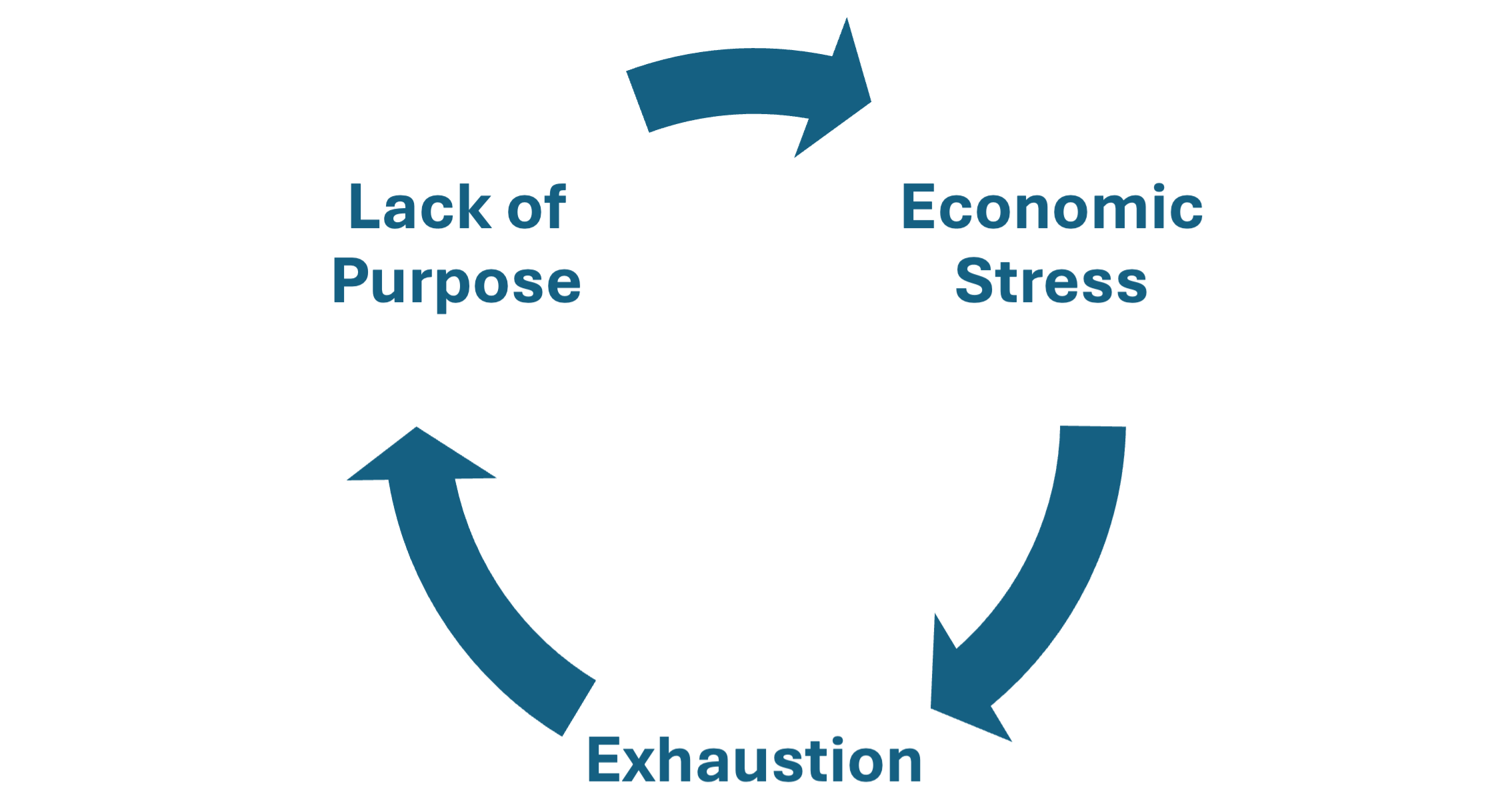
In Unsustainable, I outline how conflict in the workplace is rarely confined to a single “bad manager.” Instead, it typically represents complex accountability failures across every layer of leadership. Here’s how it looks in Lexi’s case:
- The Executive and HR Failure: First-line managers were allowed to informally “borrow” entry-level staff without discussing workload management, job description updates, or compensation reviews.
- The Cross-Departmental Free-Rider: Louis siphoned resources from Frank’s team without discussing it with him, putting Lexi in a confused and overwhelmed position.
- The Control-Based Manager: Frank used the PIP as a substitute for actual management, coaching, and workload protection.
They all set Lexi up to fail. Then, they blamed her. This does not mean Lexi didn’t also have room to grow, but at her level, the greater responsibility fell at the feet of management.

Moving Beyond the Friction: The Path to Sustainability
Situations like Lexi’s are entirely fixable, but they require a shift from control-based oversight to a framework centered on workplace sustainability and partnership:
- Audit Job Duties & Classifications: Ensure all roles—including hybrid or transitional ones—comply with federal and state wage-and-hour thresholds and exemption tests.
- Eliminate Informal Resource Siphoning: Establish explicit protocols for cross-departmental work. Project deliverables outside an employee’s primary scope must be formally tracked, approved, and compensated appropriately.
- Stop Encouraging “Dues-Paying” Culture: Leadership development must phase out the toxic mindset of pass-through exhaustion. Managing by tradition or ego instead of current labor laws and sustainable practices is operational negligence.
- Empower HR as System Protectors: HR must move from passive observation to active intervention, stepping in to resolve structural disputes humanely, affordably, and quickly before they escalate into legal action.
Address the system before it costs you BIG
Your Monday Morning Action
Take 15 minutes to conduct a silent “resource audit” across your team or department. Ask yourself these three questions:
- Are any entry-level or non-exempt employees working beyond their formal job descriptions to assist other departments?
- Is anyone routinely sending or answering emails outside standard operating hours while holding a non-exempt salary threshold?
- Are your managers relying on performance plans to address issues that are actually rooted in scope creep, understaffing, or poor delegation?
If you answered “yes” to any of these, you don’t have a personnel problem. You have a structural conflict waiting to escalate. Address the system before it forces you to address a state agency or court.