My employer clients are often surprised when high-performing employees resign. They are usually small business owners or risk managers who argue against reality, assuring me the employee appeared happy and committed to the organization. Work performance was strong. There were rarely complaints. Seemingly out of nowhere, a resignation notice was given.
“What happened?” they ask me, scrambling to understand what happened. I’m never the one with the answer to that question, although I can usually make an educated guess. In most cases, the employee’s departure was neither sudden nor surprising. It was simply the final step in a process that had been unfolding for months, or even years.
Top employees do not typically leave because of a single disagreement, difficult day, or disappointing performance review. More often, they leave after concluding that their concerns are not being heard, their success is not being adequately supported, or their future is not being thoughtfully considered. As someone who has worked in human resources, employment law, mediation, and conflict resolution for decades, I have observed three common reasons good employees quietly disengage before they eventually resign. Understanding these patterns can help employers strengthen relationships, retain talent, and build healthier workplaces.
1. Employees Stop Believing Their Concerns Matter
As organizations, many employers declare they want to help their employees succeed, and their managers genuinely want this. Yet some are more concerned about how they look as managers, based on employee performance, and whether it will help them advance. Don’t judge. It’s a human response to put ourselves first. Employees similarly focus on themselves first. As a mentor once said to me:
Of course, your life is about you. Who else’s view could you have?
We have to be intentional about focusing outward, and good intentions alone will not create trust. Employees must first see that when they raise concerns through appropriate channels, meaningful attention is paid to them. They don’t necessarily expect magic, but they do want responses. A simple email explaining the reasons for inflexibility in some policies or delayed action can go a long way.
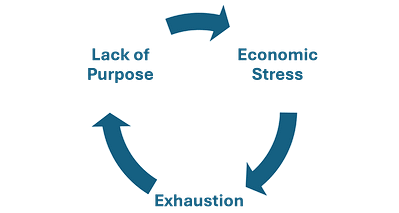
Unfortunately, many employees feel “ghosted” after identifying an organizational vulnerability. They take responsibility for the follow-up, repeating concerns without seeing any progress. Sometimes the concerns are raised with a supervisor, then Human Resources. Occasionally even executive leadership becomes aware of them. Still, little appears to change.
Over time, employees stop investing energy in discussions they believe will lead nowhere and possibly make them targets of retaliation. They no longer volunteer ideas. They stop offering constructive feedback. They participate less in meetings. Their engagement declines long before their resignation letter arrives.
From the employer’s perspective, this disengagement seems mysterious. For the employee, it feels like self-protection. No longer feeling psychologically safe within the organization, they begin to plan their exit.
When an employee resigns “unexpectedly,” one of the most valuable questions leaders can ask is:
What happens when an employee raises a concern?
This is not about what should happen. It’s great that you know what the policy says and what the procedure is, but I continue to see that the actions taken do not align. Employees notice.
2. Employees Lack the Support They Need to Succeed
One of the most overlooked causes of employee turnover is inadequate support. Employers frequently evaluate employee performance without adequately evaluating the conditions in which that performance is expected to occur. Focused only on the financial and organizational performance data, they forget to ask:
- Do employees have the equipment they need?
- Do they have sufficient staffing?
- Have they received appropriate training?
- Are reasonable accommodations being handled effectively?
- Do software and systems help employees perform well, or create unnecessary obstacles?
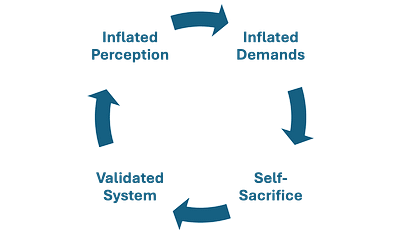
When employees continually encounter barriers that prevent them from doing their jobs successfully, frustration understandably increases. Initially, many high performers compensate for deficiencies themselves. They work longer hours, create workarounds, absorb additional responsibilities, and voluntarily solve problems they see. This dedication can make the situation look better than it actually is and burn your best employees out. Eventually, they ask themselves (and their loved ones and mentors ask them, too):
Why am I working harder than the system is working for me?
Supporting employees is not merely an issue of compliance or productivity. It is a trust issue. People are more likely to remain committed to organizations that exhibit commitment to their success. This includes your managers and executives.
3. Organizations Fail to Plan for Change
Perhaps the most surprising reason talented employees leave organizations is that life changes them. Their interests shift as families grow or health concerns emerge. Other goals suddenly feel more urgent. That’s exactly what happened to me after I was violently assaulted, again when my mom died, and later during the COVID-19 pandemic.
Don’t make people wrong for having natural human responses and needs. Every single person in your organization will leave in some way. People retire. Some pursue entirely different professional paths. This is not pessimism. It is reality, and you need to plan for it. If retention is your primary employment strategy, you will continue to feel blindsided when employees leave, and you will be left scrambling to cover their work every time.
A healthier approach to employment is recognizing it as a partnership. Both the employer and the employee contribute value to each other. They collaborate to keep the contributions balanced, speaking up when one feels there is more going out than coming in. They trust each other to have honest conversations about their challenges and what they need to succeed. Instead of fearing employee departures, organizations can plan for them by:
- Cross-training team members
- Documenting institutional knowledge
- Developing future leaders
- Creating succession plans
- Encouraging honest conversations about career goals
When organizations understand that transitions are inevitable, they become more resilient and less reactive. Employees also feel more comfortable discussing their evolving goals rather than quietly preparing an exit strategy and “dropping the bomb.”
Moving Beyond the Employer-Employee Divide
The “us versus them” mindset in relationships simply does not work. Employees who assume management does not care will not give their best efforts. Managers who assume employees are unreasonable will fail to see the contributions they are making. Each side increasingly focuses on defending their positions, and the relationship deteriorates further.
What if we viewed employment differently and employers and employees saw themselves as partners working toward mutually beneficial goals?
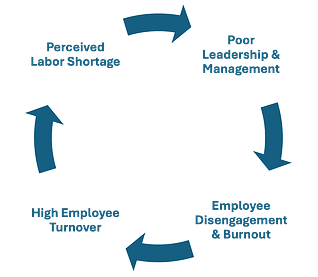
Partnership does not mean everyone always agrees, nor does it eliminate accountability. Instead, the parties acknowledge that the success of one depends significantly on the success of the other. Employees need organizations that provide living wages, meaningful opportunities, support, and respect. Organizations need employees who bring their skills, creativity, effort, and commitment. When either side stops viewing the relationship as mutual, disengagement is inevitable. Arguably, it is usually the employer that disengages first.

Before Your Best Employees Leave
If you want to improve employee retention, start by asking:
- Are employee concerns being addressed in visible and meaningful ways?
- Do employees have the tools, resources, and support necessary to succeed?
- How often do leaders seek feedback before problems become crises?
- Have we planned for inevitable employee transitions?
- Do our employees experience this relationship as a partnership?
The answers may reveal opportunities that traditional retention strategies miss. Employees leave after concluding that staying no longer serves their growth, well-being, or goals. When employers listen earlier, support more effectively, and build more collaborative relationships, they create workplaces where talented people are more likely to remain engaged and contribute their best work. When they eventually move on (and they will), they leave as raving fans who refer business and other good workers.